
Sorting Lehi People Directories
Lehi directories are best sorted by the relationship they document. City and state lists identify public offices. School and campus directories identify institutional roles. County land indexes connect names with parcels and recorded instruments. Professional and business systems show a credential or filing, while cemetery, newspaper, census, and archive sources preserve older ties. No one list is a complete roll of everyone who lives in Lehi.
| Directory source | People or ties shown | Keeper | Ways to access it |
|---|---|---|---|
| Contact Us departments | City units and selected staff | Lehi City | Free browse, department page, or main line |
| Schools list | Lehi-area schools and their staff links | Alpine School District | Browse schools, then open the school site |
| Land Records | Parcel owners and deed parties | Utah County Recorder | Name, address, serial, document, map, and image modes |
| License Lookup | People with state-regulated credentials | Utah DOPL | Free individual license search |
| Business Entity Search | Entities, agents, and filing contacts | Utah Division of Corporations | Free basic entity search |
| Cemetery map and list | Deceased people and burial locations | Lehi City Cemetery | Map, gazebo list, phone, email, or office |
| Lehi and regional historical collections | Past residents, households, and institutions | Lehi Library, museum, FamilySearch, and Archives | Exact printed-directory years are unverified; use catalog, reference, digital, and in-person routes |
Begin with the source tied to the role or event already known. A teacher belongs in a school directory, a parcel owner in Land Records, and a licensed contractor in the state credential system. For someone who lived in Lehi decades ago, the library and archive route is stronger than a current contact list. A failed result may only mean that the wrong kind of directory was searched.
Lehi Government Directory Entries
The Lehi City Contact Us directory is organized by department, not by employee surname. It includes units such as Administration, Building and Permitting, Cemetery, Fire, Hutchings Museum, Justice Court, Library, and many more. Each main entry gives a department heading, a street address when one applies, and a telephone number. Some entries add an after-hours number or a link to a more detailed department page.
| Displayed directory field | Format | How to use it |
|---|---|---|
| Department heading | Browse category | Choose the city unit connected to the person or service |
| Street address | Office location | Distinguish departments with separate public counters |
| Main telephone | Published contact | Ask for the correct staff member or records keeper |
| After-hours telephone | Shown only where provided | Use for the department's stated after-hours purpose |
| Department link | Detail page | Check for named directors, staff, email, and hours |
A city directory entry should be read in two stages. Open the department page after finding the main listing because selected directors and employees may appear only there. If no person is named, call the department number. Records not published as a directory may be requested from the Lehi City Recorder, but the access procedure belongs with the Lehi public records system, not a staff roster.
Utah County also publishes its departments and elected officials, while the Utah agency directory provides official state contact routes. These are office directories rather than full employee phone books. They establish which government unit handles a subject and offer a sound fallback when a name search is unavailable.
Lehi School and Campus Directories
The Alpine School District schools directory is the main K-12 entry point for Lehi. Browse or select a school, then follow its site to administration and staff contacts. The dynamic district page does not publish a stable district-wide set of staff-search filters, so a school name is the dependable first filter. The district is also in transition: its current system continues operating schools through June 30, 2027 while new districts organize.
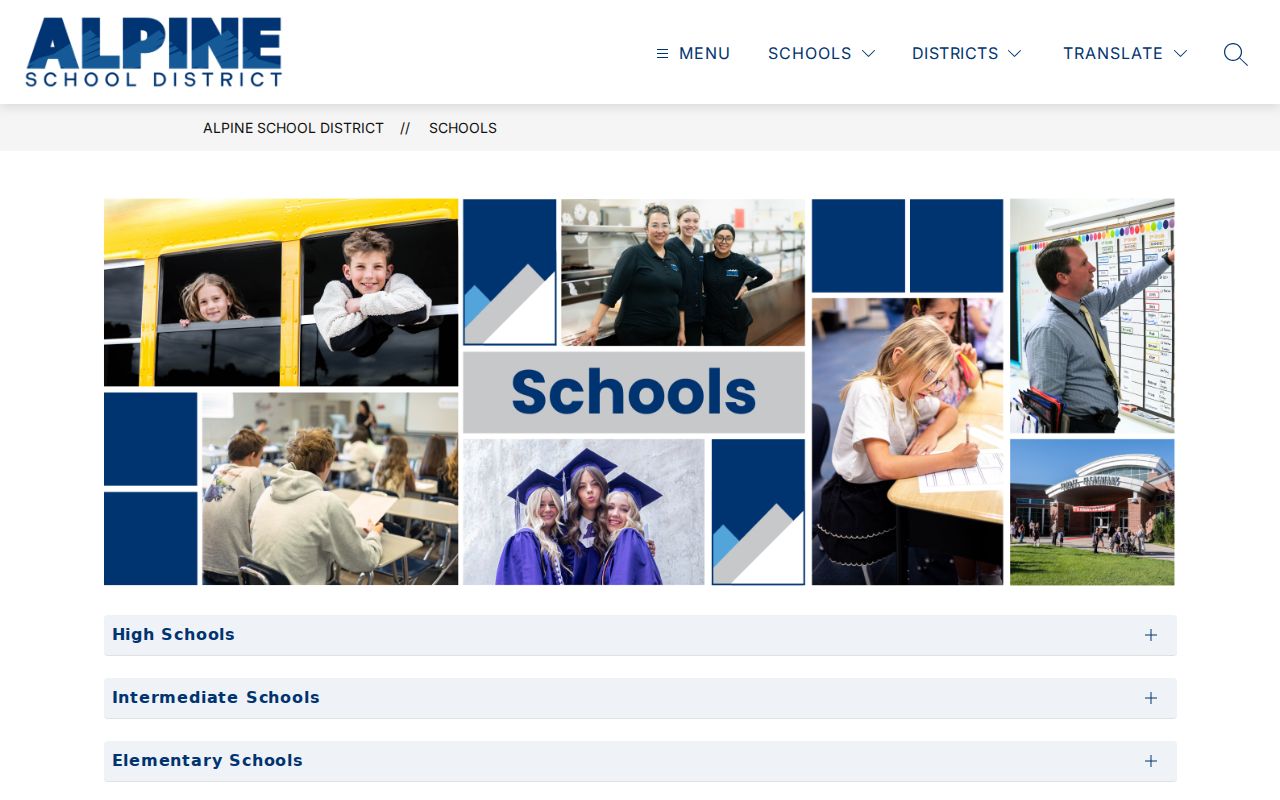
The schools list shows why the search starts at the institution. Open the school that served the student or staff member during the year in question, and record the district name that was in force at that time. A present district label should not be projected onto an older yearbook, roster, or school record.
For higher education, the Utah Valley University directory in Orem and Brigham Young University directories in Provo can identify faculty or staff with regional ties. They describe an institutional role, not Lehi residency. Alumni lists may also be private or limited to members, so public yearbooks, newspapers, and library catalogs are often the better route for past classmates.
Note: A school directory result proves an institutional connection at the listed time, not a person's current home address or ongoing role.
Lehi Property Owner Directories
The Utah County Land Records portal works as several property directories at once. Search by owner name, property address, parcel serial number, or subdivision. A parcel can then expose owner, situs location, tax and appraisal facts, photos where present, a parcel map, documents, an abstract, and serial history. The serial number is the county's durable parcel key, though parcel splits and retirements can create new versions.
Owner names need context. The situs address is the physical parcel location, while the mailing address is where a tax notice goes. Trusts, business entities, co-owners, and stale mailing records can all separate the named owner from the current occupant. Serial History and Serial Versions help connect an older Lehi parcel to a newer one, and subdivision mode adds the plat context for fast-growing areas.
The map and tax paths are also directory tools. Parcel geometry can confirm the correct Lehi site, while Tax History and delinquent-tax records tie dates and notices to the parcel. If a portal mode fails, the Recorder offers counter, phone, and email guidance. Utah State Archives and FamilySearch can help with older volumes.
Lehi Deed-Party Directories
Recorded instruments create a second name directory. Documents by Name and Abstract Information connect grantors, grantees, lien parties, trustees, and other indexed roles with entry numbers, recording dates, instrument types, parcel identifiers, and image or book-page routes. A grantor transfers an interest; a grantee receives one. Those terms describe a recorded transaction, not a complete household.
Utah County separates name, entry, kind-of-instrument, abstract, image, tax, serial, and map searches instead of placing every record behind one box. That split is useful. A weak name result can be checked through the parcel, a known entry number, the instrument type, or an older abstract. REDI images for 1976-1977, typed abstracts, abstract-book scans, plat images, mining files, and water records form separate historical layers rather than one universal online start date.
Follow a deed forward by searching a grantee later as a grantor. Then compare dates, parcel serial numbers, legal descriptions, and return or mailing addresses. A recorded document may show a family, estate, or business relationship, but the index is only the finding aid. The Recorder supplies ordinary or certified copies when the underlying instrument is needed.
Lehi Professional Directory Searches
The Utah Division of Professional Licensing lookup covers many regulated fields, including construction trades, health occupations, real estate, and cosmetology. A typical entry can show the licensee name, profession, credential number, status, issue or expiration dates, a public practice address where available, and links to official actions. Coverage and displayed fields vary by profession.
| Directory | Entry can identify | Important limit |
|---|---|---|
| DOPL License Lookup | Name, profession, number, status, dates, actions | Fields differ by licensing board |
| Utah State Bar | Attorney and bar status or contact | Attorneys only |
| USBE licensing | Educator credential or status | Display and privacy rules apply |
Search the directory that issued the credential. Attorneys belong in the Utah State Bar directory, and educator credentials belong with the Utah State Board of Education. A status entry confirms what the issuing body publishes. It should not be stretched into proof of a person's home, identity beyond the credential, or connection to every Lehi business with a similar name.
Business Directories Around Lehi
The Utah Business Entity Search lists legal names, entity types, registration numbers, status, filing and renewal dates, registered agents, principal or mailing addresses, and available filings. A registered agent receives formal papers for an entity and is not automatically the owner. Search close name variants because a store name may differ from the filed entity name.
Lehi's city business-license records answer a different question. Registration information maintained by the city is public under GRAMA, and fields may include entity or owner name, business and mailing address, telephone, emergency contact, business description, signatures, payment date, and license period. No stable public Lehi license-search portal was found. Ask the city for the current register by entity name, license type, status or period, and business location.
The Lehi Area Chamber member directory and institutional staff pages in the Thanksgiving Point and technology corridor can supply current voluntary contacts. Membership is not the same as a city license, and an organization may choose which leaders to publish. Compare any chamber result with the state entity filing and the applicable city record.
Lehi Cemetery Directory Channels
The Lehi City Cemetery directory route is both online and physical. The city links a map viewer for burial locations and available plots. The entrance gazebo holds deceased-person information that is refreshed each year before Memorial Day. Between updates, contact the cemetery by telephone, email, or at its office at 1525 North 600 East.
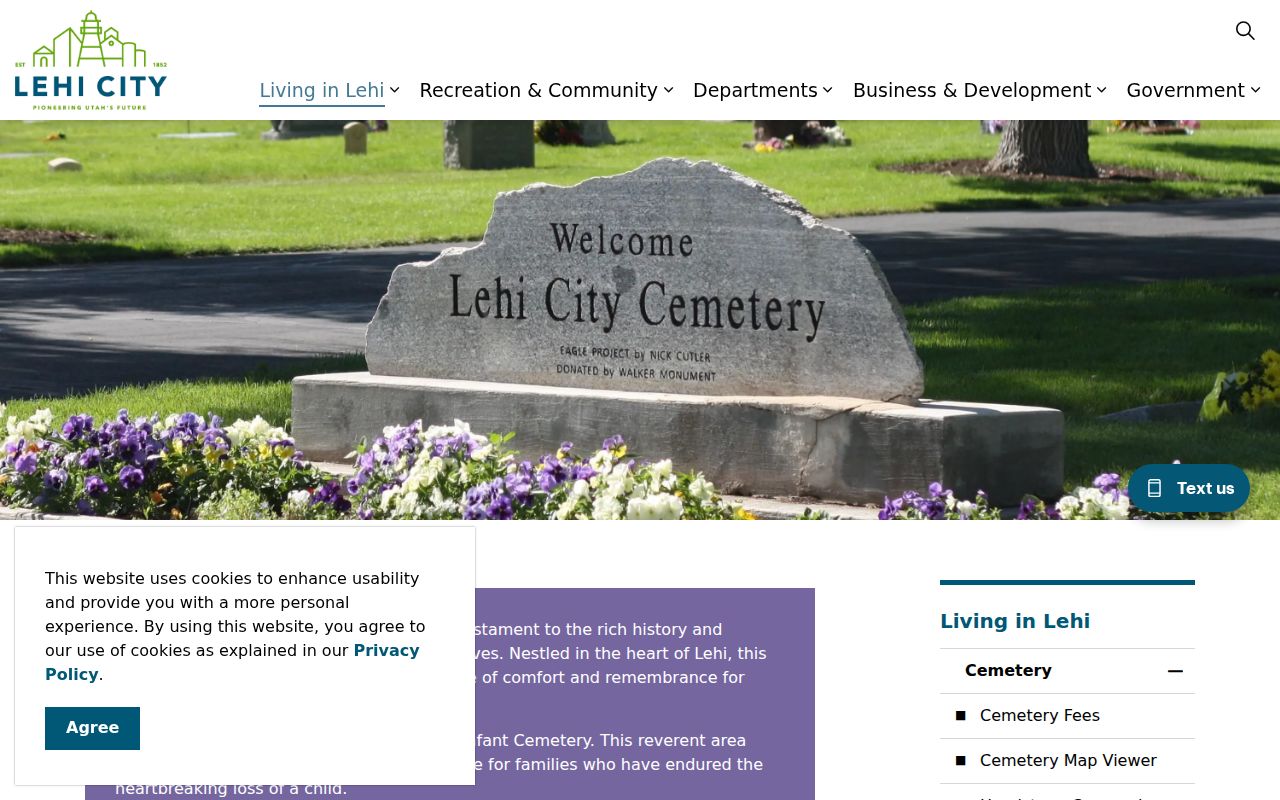
The official cemetery page shows the useful fallback chain: map, gazebo list, main office, phone, and email. The office is open Monday through Friday from 10 a.m. to 3 p.m.; its number is 385-201-2270, with 801-420-0498 after hours and cemetery@lehi-ut.gov for email inquiries.
Burial records may establish a decedent's name, grave, burial date, and nearby family leads. Utah State Archives explains that plot-ownership records and interment registers are distinct. Many registers are not indexed by name, so an obituary or death record can first establish the cemetery and date. Adjacent graves suggest a connection worth checking, but they do not by themselves prove kinship.
Note: Cemetery plot ownership is not the same as fee-simple land ownership, and the current property roll should not be used to interpret burial rights.
When Lehi Phone Directories Vanish
No official current residential white-pages directory for Lehi was found. A missing public phone listing does not show that the person left the city. Carrier lists change, people choose unpublished numbers, and old commercial volumes disappear from current web catalogs. For historical telephone books and reverse directories, start with a reference inquiry rather than assuming exact years are held.
The Lehi City Library at 131 North 100 East offers computers, Wi-Fi, copy service, and print and digital collections. Its public page does not list exact city-directory volumes, reverse-directory years, obituary indexes, newspaper microfilm, or licensed genealogy databases. Call the reference desk at 385-201-1050 before traveling or citing a volume.
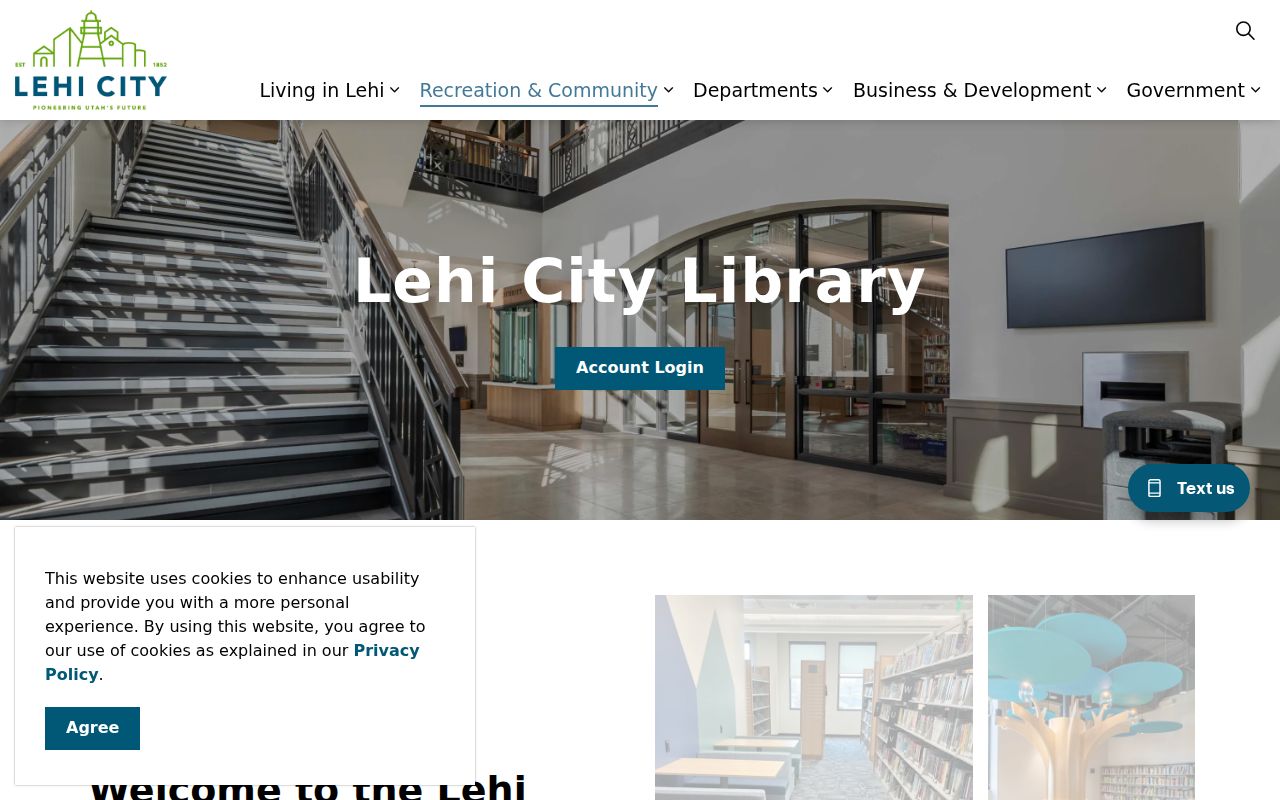
The library page confirms the hours and services but not specific directory runs. Reference staff can check local holdings, interlibrary options, and the right regional repository. BYU's Harold B. Lee Library, Utah Valley University Library, FamilySearch Library, and University of Utah collections are sensible follow-ups for Lehi and Utah County material.
Historical Lehi Directory Trails
Lehi's official timeline places street naming and the creation of addresses in 1890. That date divides directory research. Later households may appear under the numeric grid, in deeds, telephone books, census schedules, yearbooks, or newspapers. Earlier residents are more likely to be tied to lots, farms, wards, neighbors, local institutions, and legal land descriptions.
- Standard city directory
- Starts with a surname and may show an address, spouse, occupation, or business tie.
- Reverse directory
- Starts with an address and turns it into an occupant lead for the listed year.
- Interment register
- Records burials and may include dates, grave details, death information, and relatives.
- Archive series inventory
- Describes the creating agency, date span, arrangement, restrictions, and digital availability of a record group.
The exact printed Lehi and criss-cross directory years remain unverified. Ask Lehi Library, FamilySearch, BYU, and Utah historical repositories for coverage within Provo or Utah County editions. Search the Utah State Archives research guides for city, county, cemetery, court, and vital series. The Hutchings Museum at 55 North Center Street can add context through photographs, manuscripts, buildings, businesses, and local institutions.
Newspapers and yearbooks help where formal directories are thin. Utah Digital Newspapers can connect initials, family names, school lists, legal notices, and Main Street firms across OCR variants. Federal census schedules through 1950 are public under the 72-year rule and can show household relationships, occupation, birthplace, neighbors, and address. Pair those facts with a deed, cemetery entry, or school record before deciding that two similar names describe the same Lehi resident.